How Everyday Curiosity Became a Shared Resource

Homemade paper making is an experiment that never quite repeats itself. Each step reflects a lesson learned and an openness to new approaches.

The story here is straightforward. Making paper at home reveals creativity in the mundane.

It began as a rainy-day diversion. Scraps collected on the kitchen counter. Curiosity about what could be made from yesterday’s mail.
Surprise followed. With each batch, a new texture or colour emerged. Some sheets perfect for drawing, others suited for handmade cards.
The project grew quietly. Word spread among friends, neighbours, and online forums. Now, every guide is shaped by questions and stories from real makers.

Every contributor brings a different background, from avid crafters to science teachers. Each one shares a commitment to creative reuse and clear instructions.

Questions from readers drive future topics. If someone finds a better way to dry paper in winter, that method gets tested and shared for all to see.
Mistakes are part of the story. Readers learn not just what works, but what to avoid. That openness builds trust and fosters a collaborative spirit.
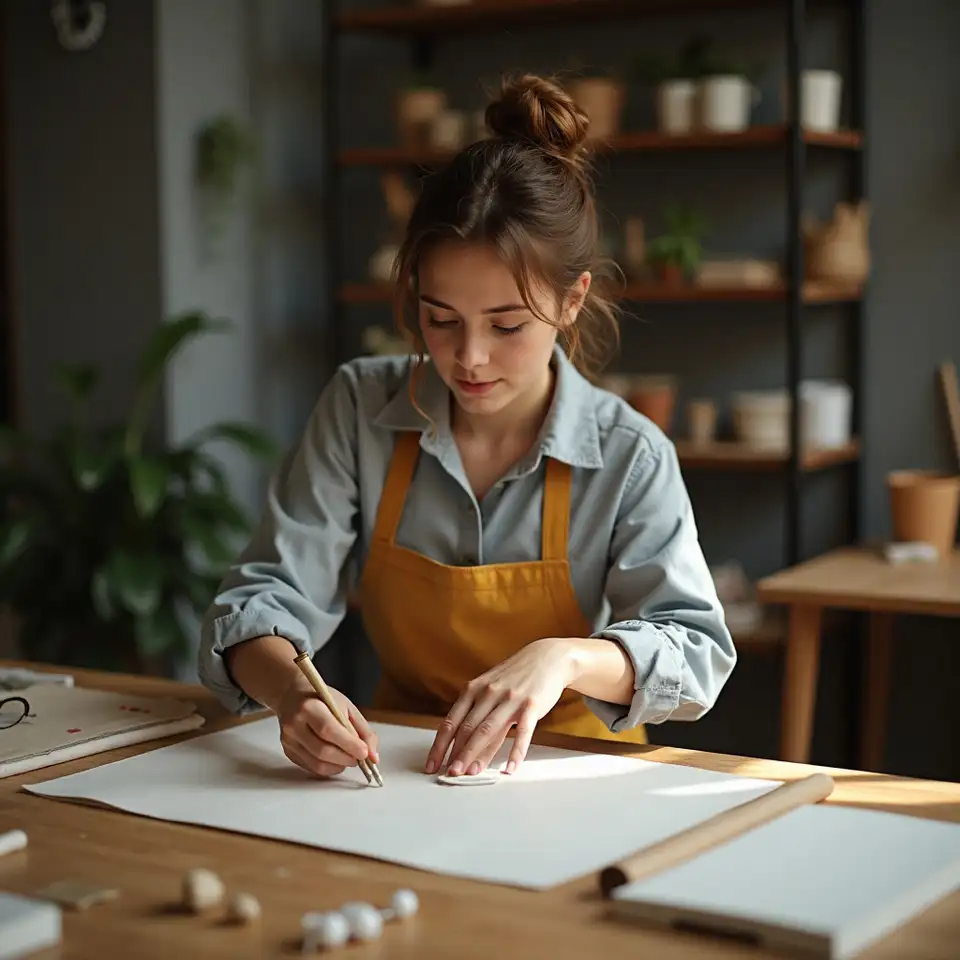
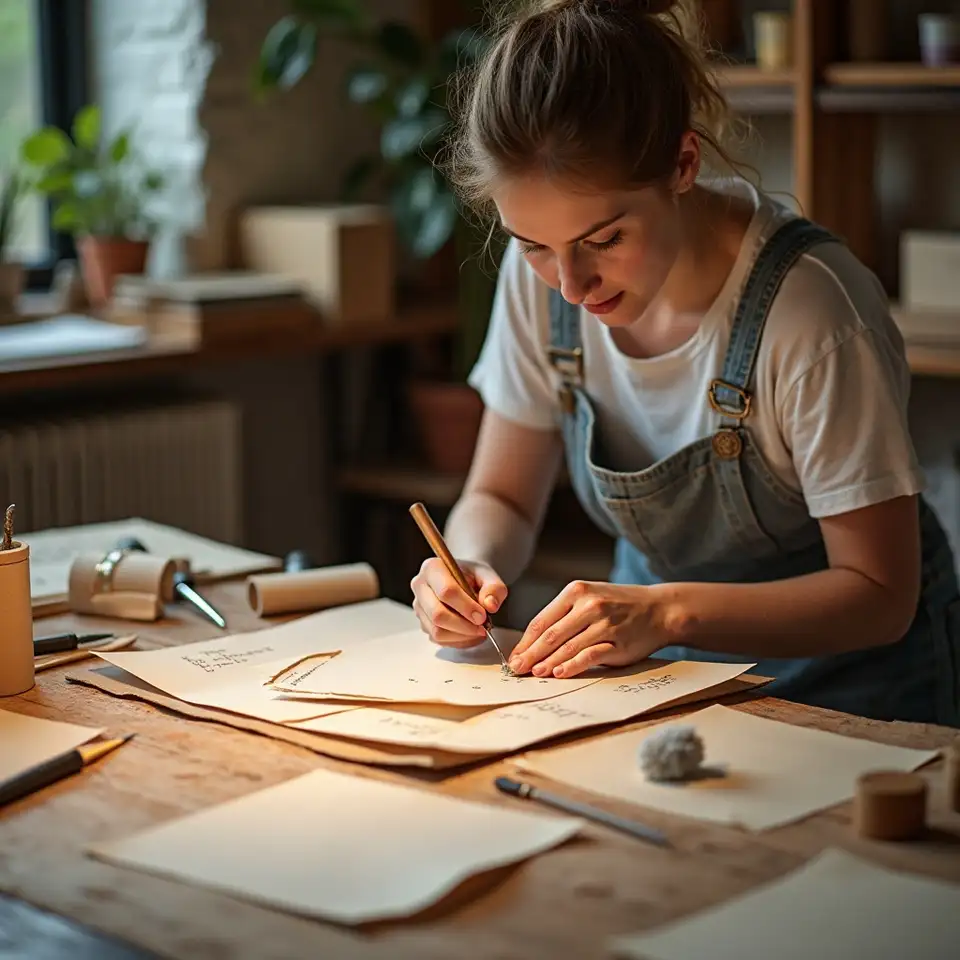
Hands crafting recycled paper

Who Shapes This Project

Crafted by Hobbyists, Not Marketers

Homemade paper making is not just a process. It’s a shift in how waste becomes art. The founding impulse here was straightforward: a pile of discarded mail, a rainy afternoon, and the realization that ordinary materials could be reborn. Each guide on this site draws from those first experiments and the collective knowledge of hobbyists who refused to let old envelopes go to landfill. Step by step, methods have been tested and retested—sometimes with unexpected results. Canadian winters mean adapting processes, too, from drying sheets on radiators to tweaking pulp blends for seasonal humidity. What emerges is a blend of tradition and improvisation. Readers will find practical tips grounded in lived experience and a dedication to responsible sourcing. This project stands as a resource for anyone seeking to turn household scraps into something lasting and beautiful.

Experiment First

Every method is tested in a real home setting and documented with honesty. Success and failure are both part of the record.

Sustainability

Reduce waste, reuse what’s available, and minimize environmental impact in every guide and resource.

Local Context

Advice adapts to different climates and resources, reflecting Canadian experience but staying relevant worldwide.

Collaborative Growth

Community feedback drives improvement. Every suggestion or story shapes what comes next.

Accessibility

Every resource aims to make paper making approachable and rewarding, regardless of prior crafting experience.

What This Site Offers to Hobbyists

Practicality, transparency, and sustainability drive every page. The result is a resource that grows stronger with each new contribution.

The premise is simple. Paper making should be accessible, adaptable, and rewarding.

This platform provides clear, hands-on instructions designed for everyday households. No expensive gear, no specialized jargon—just proven steps for turning scraps into something useful.

Mistakes aren’t hidden. Each guide includes common pitfalls, because every hobbyist has made them at least once. Readers are encouraged to try, tweak, and share their results.
Sustainability isn’t a side note. The techniques here aim to minimize waste, using recycled materials and local resources whenever possible.

What Sets This Paper Making Site Apart

One fact stands out. This site is built by people who actually make paper at home, not by distant content creators. Every method described has been put through its paces, weathering trial and error in real Canadian kitchens and garages.

Origins Matter

A stack of scrap paper, some water, a kitchen blender. That’s how it started. Results? Often uneven, always unique.

The founding team never set out to teach. Curiosity drove experimentation, and sharing followed. Each new technique grew from solving a problem or learning from a mishap.
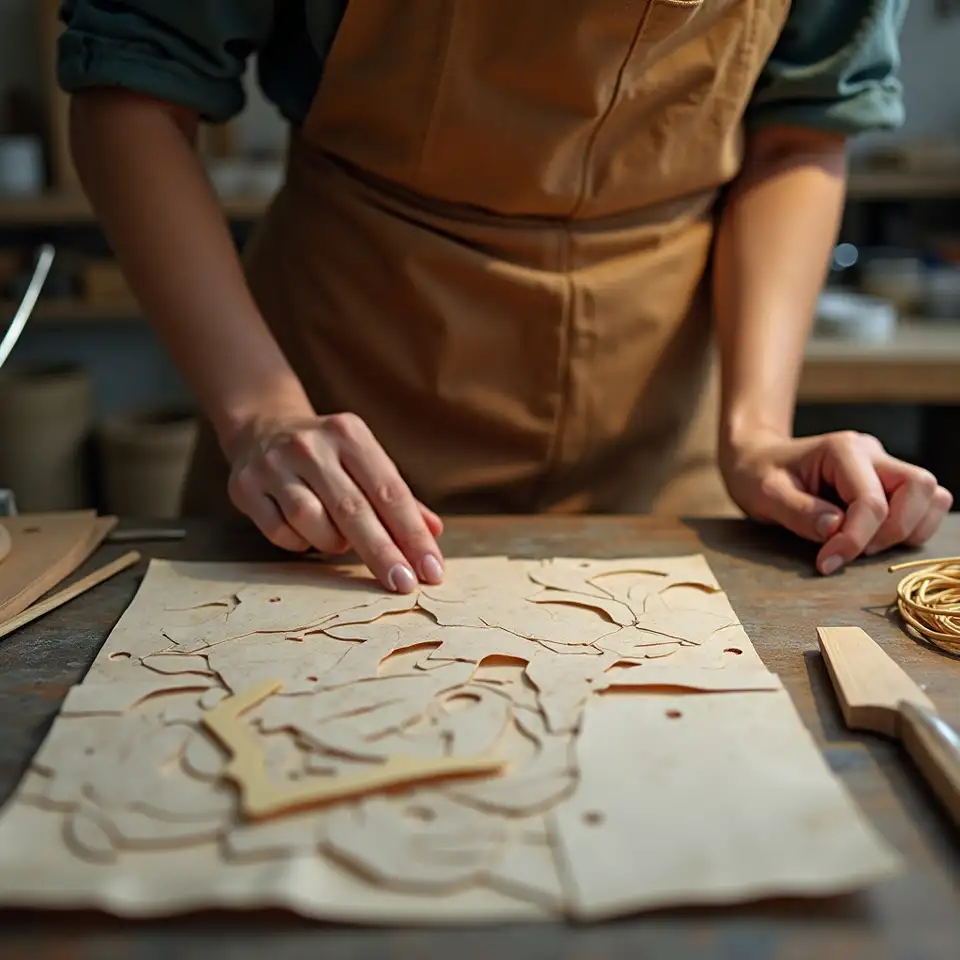
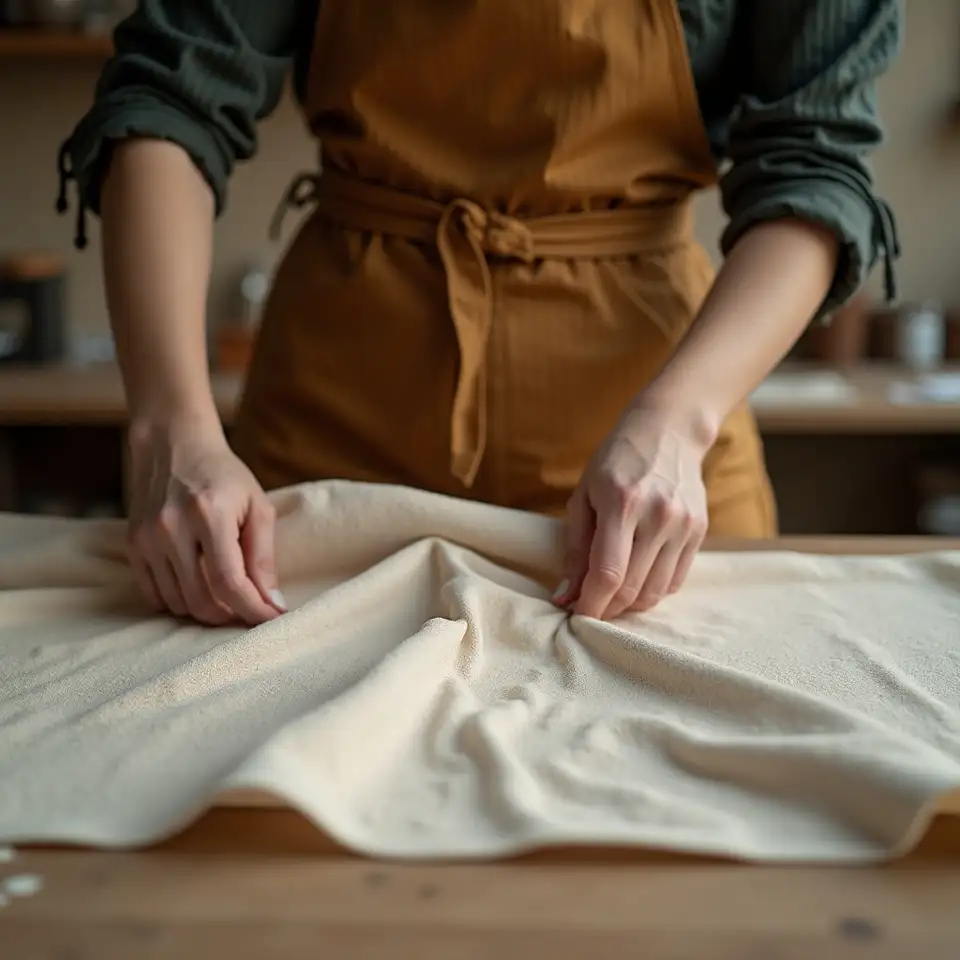
Texture of handmade paper